
Updated: 3 weeks ago
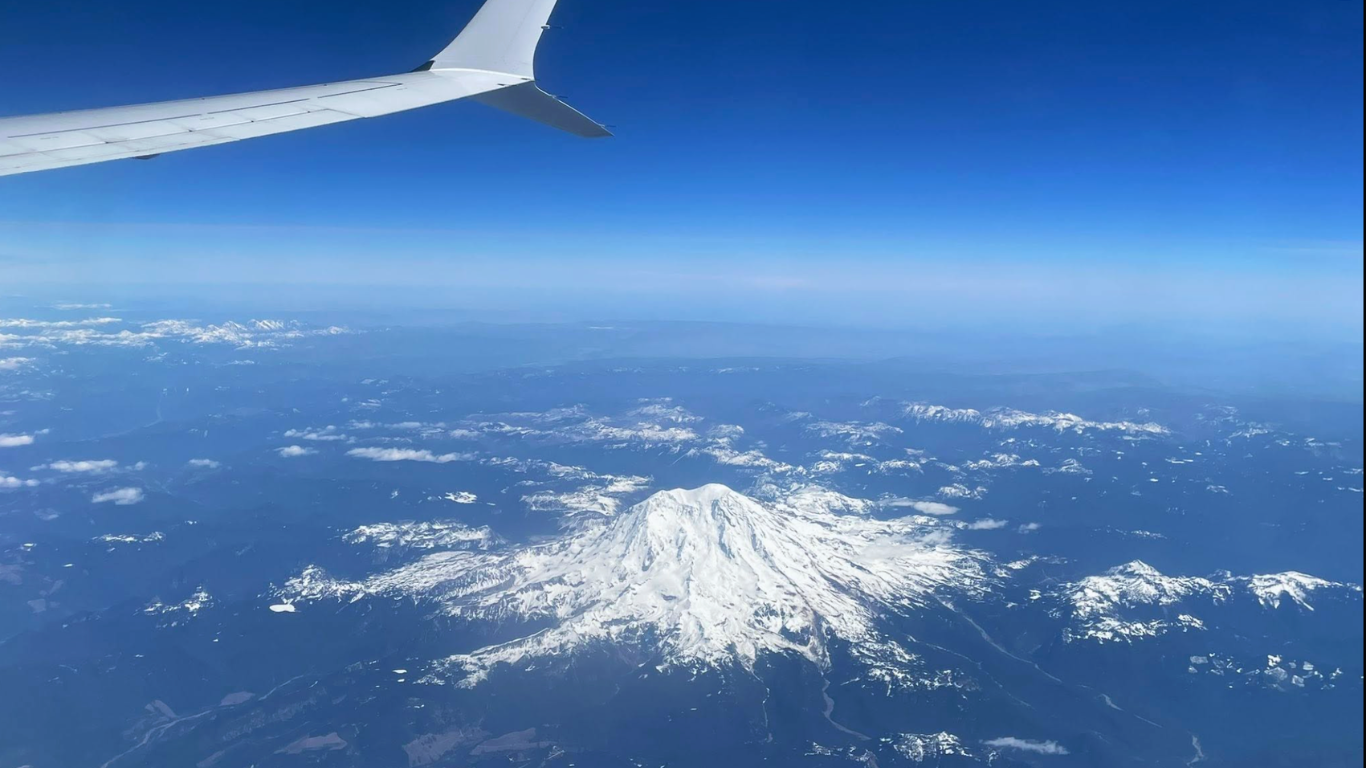
I have a dream to see every country in the world.
Not exactly the kind of dream sustainability blogs are built on.
For a long time, it felt like a contradiction.
And yet, over the years, I have started to see that sustainability is not always about shrinking our lives.
Behind the Iron Curtain
As long as I can remember, I have been drawn to distant places.
I grew up in Estonia, behind the Iron Curtain, in a country where travel was something imagined rather than lived. Books were my first way out. I remember reading stories set in faraway places and feeling a persistent longing to be there.
By the time I was a teenager, travel abroad had become possible, yet never simple. Each step required a visa. I searched for ways to leave in small increments—summer camps, exchange programs—anything that could widen the edges of my world.
As a young adult, borders began to open more easily across Europe, but money remained a barrier. So we hitchhiked across countries. Somewhere along those roads, the dream no longer felt like wishful thinking, but something within reach.
I chose a profession that carried me far from home. I do not think it was a coincidence. The desire to explore—to understand how others live by experiencing it myself—had always been there. It no longer needed permission.

A Calling
Yet something else was growing alongside that dream.
My family planted in me a deep love of nature. So deep that, over time, sustainability has come to feel less like a choice and more like a calling. While travel grew out of a dream—something I could pursue or set aside—protecting this planet has felt different. It is something that pulls at me, that returns, that does not quite leave me alone.
I remember, as a child, we even created a “Green Movement.” I would watch from the window to see who cut across the grass as a shortcut, and we would leave warnings in their mailboxes.
The impulse quieted during my teenage years and early adulthood. But it never disappeared. It returned when I became a parent, when we bought a house with a garden, when responsibility began to feel personal—and when I started to consciously change my life.
When Values Collide
With growing awareness of sustainability, and my desire to discover new cultures, came a more difficult period.
It began to feel as if travel and sustainability were pulling me in opposite directions.
I started to believe that, to live in alignment with my values, I would have to give up my dream of travel. I tried. But the dream did not go away.
Instead, there was a period when I traveled almost in secret, weighed down by eco-guilt and a sense of shame. At times, I found myself longing for something I could no longer return to: eco-ignorance. Not knowing.
The Path of Moderation
As always, after the darker periods came a kind of reckoning.
I began to notice a pattern in myself: bursts of intensity, followed by exhaustion, and then retreat. I would try to live zero waste for a while, only to feel overwhelmed and give up altogether.
What I needed was not perfection, but a middle way. A more conscious, moderate approach to sustainability—one that could be sustained.
And travel, I realized, could still be part of that life.
Small, consistent steps for the Earth go further than occasional dramatic leaps. As Anne-Marie Bonneau reminds us, “We don’t need a handful of people doing zero waste perfectly. We need millions of people doing it imperfectly.”
Conscious and Sustainable Travel
I like to think of the way I travel now as a form of conscious travel.
I still hold on to my dream of discovering new countries, but I approach it differently—more slowly, and with greater awareness of my impact.
Here are some of the ways I have learned to bring sustainability into my travels. I am aware that these steps do not erase the impact of flying. But they are part of how I try to move through the world more consciously.
Making a place a base
Instead of flying long distances for each new destination, we have, at different points in our lives, chosen to settle for a while in one part of the world and explore from there.
A few years ago, we moved to Indonesia and used it as a base to discover other countries in Asia. More recently, we relocated to North America and have explored the region from our home in California.
This way of traveling not only reduces the number of long-haul flights, but also allows for a deeper connection with a place.
Traveling in clusters
For nearly a decade, we have tried, whenever possible, to combine several countries within one journey.
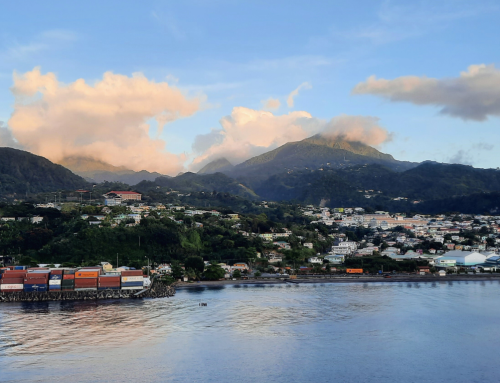
When we traveled to Bahrain, we extended the trip to Saudi Arabia. Another journey took us through Albania, Montenegro, and Bosnia and Herzegovina. More recently, I visited several Caribbean islands in one continuous trip: St. Kitts and Nevis, Dominica, Barbados, St. Lucia, and Grenada.
It is not a perfect solution, but it is a small way to reduce the footprint of travel while still honoring the desire to explore.
Traveling by road, when possible
Even with small children, when long journeys can feel more demanding, we try to choose the road whenever it is possible.
Some places reveal themselves best this way. We discovered San Marino and Andorra by road, arriving slowly, watching the landscape change as we approached. On another journey, we flew into Albania but continued by car through Montenegro and Bosnia and Herzegovina, letting the borders blur into one continuous experience.
Since moving to the United States, road travel has become an even more natural part of how we explore. We have taken several trips by car and by RV, embracing a slower, more grounded way of seeing a place.

Moving more gently through a place
During our travels, we try to choose lower-impact ways of exploring.
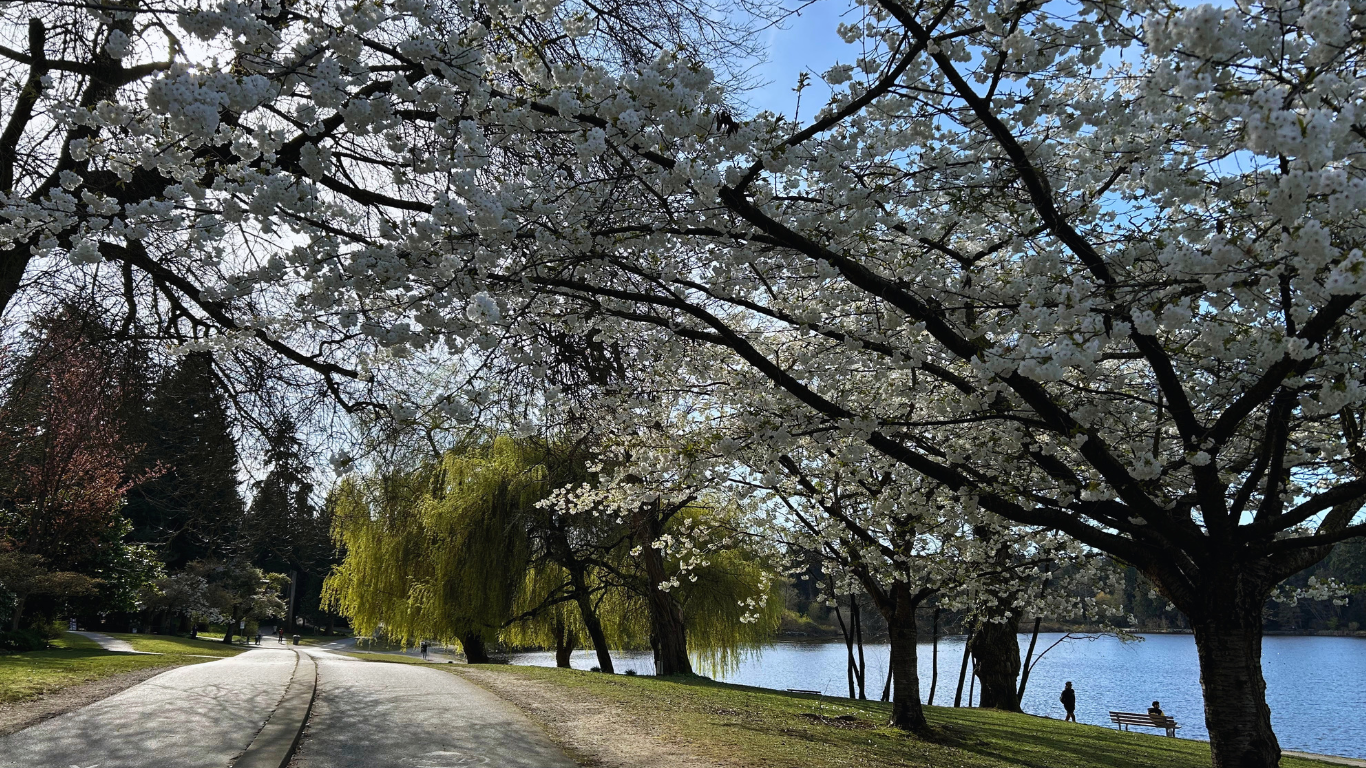
Instead of taking a seaplane or helicopter in Vancouver, we rented bikes and discovered the city at a different pace. In Barbados, we explored the coastline by catamaran, letting the experience unfold more slowly.
Whenever possible—and when it feels safe—we also choose public transport. It is not always the easiest option, especially with children, but it brings a sense of alignment with the choices we are trying to make.
Becoming more aware before we go
A newer habit we have developed is to consider carbon footprint alongside budget when planning our trips. With the help of simple AI tools, we compare options and begin to see the impact of our choices more clearly.
We also travel lighter than we used to. As a family, we now try to limit ourselves to hand luggage. It may not dramatically change the footprint of a flight, but it shifts something else—how we think about what we need, what we carry, and what we bring into the world.
Less weight. Less consumption. Fewer things moving across continents.
A different way of holding the dream
I still dream of seeing every country in the world.
That has not changed.
What has changed is how I hold that dream—not as something to chase at any cost, but as something to move toward more consciously, more slowly, and with greater care.
Perhaps sustainability is not about giving up our dreams, but about learning how to live them differently.
There are many other small ways we try to weave sustainability into our travels—from where we stay to what we carry home—which I reflect on more fully in my piece on sustainable vacations.
Move through the world with wonder—and with care.



Such a thoughtful and honest perspective. I really like your idea of “conscious travel” instead of perfection—it feels much more realistic and sustainable long-term. Travel and sustainability don’t have to cancel each other out, and you explained that balance so well. Those small, consistent choices really do add up over time. This is such an important conversation for all of us who love to explore the world.
Thank you so much—this means a lot. I’ve been trying to move away from perfection toward something more conscious and sustainable in the long run, and I’m really glad that came through.
That’s a wonderful post that I find very relatable, I’ve also been aware of many of these issues and concerned about them. I like the ways you suggested for dealing with issues. Already implementing some, whenever I can.
Thank you! I am glad to read that you relate to and share the same path!
It’s wonderful to hear from someone who’s thought through their approach to keeping travel sustainable. We share a number of key approaches, from staying at a base destination to choosing to bike to explore certain areas. I find for me that I am always finding new ideas for sustainable travel.
Thanks Sonia! I am glad to hear that you relate and share some approaches. I agree, in particular, reading what others do to combine sustainability and travel is a great inspiration.
Such a great post beautifully written! I love your way of thinking, and your conscious travel approach, which i can relate to so much! I’ve been torn between traveling (by plane) and being eco-responsible for a long time now and I like your tips on how to navigate through this !
Thank you Marina for this thoughtful and supportive comment and I am glad you found the tips useful!
I love your writing, it’s so slow and intentional and thoughtful, it almost feels like a snug bearhug in a post!
Thank you for this touching comment. It truly means a lot to me, and honestly, it is one of the most beautiful things someone has ever said about my writing.