
Updated: 3 weeks ago
I had been secretly nursing a crush on Spain for some time. He might not have been my first choice, but there was a pull I could not ignore.
Over the years, as I traveled through Spain, I came to experience it not as a single destination, but as a country that reveals itself differently across regions and stages of life.
From my history classes, he lured me with tales of his once-mighty power over oceans and continents. Before I met him, I had already met him in books — in Goya’s darkness, in the distortions of Dalí and Picasso, in Cervantes’s dreaming.
Even his cities seemed to carry music in their names. Zaragoza — I remember thinking how beautiful a name that was for a town. And I still recall the art history class when we discussed Guernica: how that canvas seemed to throb with grief and defiance.
But I truly succumbed to his charm when I discovered flamenco. The moment my heels struck the floor, I felt I was learning the language of his heart — fierce, proud, unapologetically alive.
All this happened before I met Spain in person.
Fuerteventura
First impressions matter.
In the mind of a fifteen-year-old who had barely left Estonia before, the Canary Islands seemed impossibly exotic. I felt incredibly fortunate when I received a letter from my Swiss host family for the coming year — introducing themselves and adding, almost casually, that over the autumn holidays they would be going to the Canary Islands. With me.
Fuerteventura was bare — my first encounter with a desert-like, volcanic landscape. At fifteen, I was not impressed. I had imagined palm trees and lush greenery.
It was also my first time flying. I was thrilled, yet when the plane finally lifted off, a small disappointment crept in: I had imagined flying would feel more extraordinary. When the landscape did not do the trick, the ocean did. I can still feel the butterflies in my belly as I remember playing in the waves of the Atlantic — my first ocean, dwarfing the modest Baltic I had known.
What I mostly took away, of course, was my teenage holiday romance. I fell, just a little, for an attractive Spaniard who made me sneak out for secret meetings. Yet not too much. I did not leave with a broken heart. It simply did not feel like the Spain I had imagined. I knew I would have to return to meet him again — the real version — but I was no longer in a hurry.
Málaga
Nearly twenty years passed before we met again.
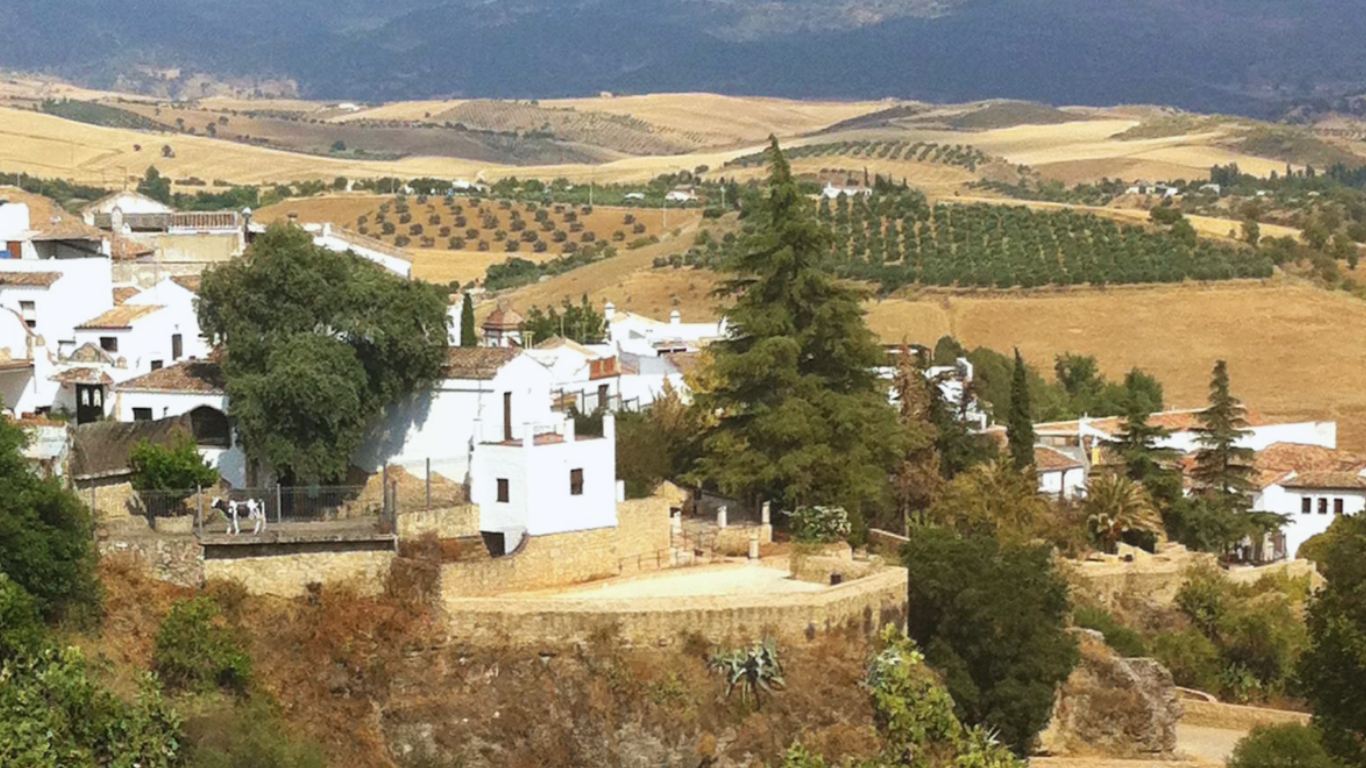
This time, I went alone — or rather, with my inner artist as my chosen companion, trying to live awake. Málaga, then Ronda. I wanted to see whether Spain would feel different when approached without teenage longing or borrowed expectations.
I liked what I saw. Ronda, especially, left an impression — dramatic in its beauty. Málaga met me through taste first: countless tapas shared slowly, plates appearing and disappearing without ceremony — anchovies, olives, grilled vegetables, food meant to be grazed rather than claimed. I enjoyed it all deeply.
And yet, something remained just out of reach. Spain still felt like someone I admired but did not yet love. The attraction was there, but muted. Polite. As if we were still circling one another, both unconvinced.
I left knowing the feeling had shifted — not vanished, but matured. Less infatuation. More curiosity. Still, it was not quite the Spain I had been waiting for.

Barcelona
After two cautious encounters, I did not pursue him again. And so, naturally, Spain returned on his own terms.
My husband and I have a tradition: surprise trips for each other’s birthdays. For my thirty-fifth, he took me to Barcelona. He was still my fiancé then, and I was carrying our first child — just two months pregnant, already exhausted in ways I did not yet understand.
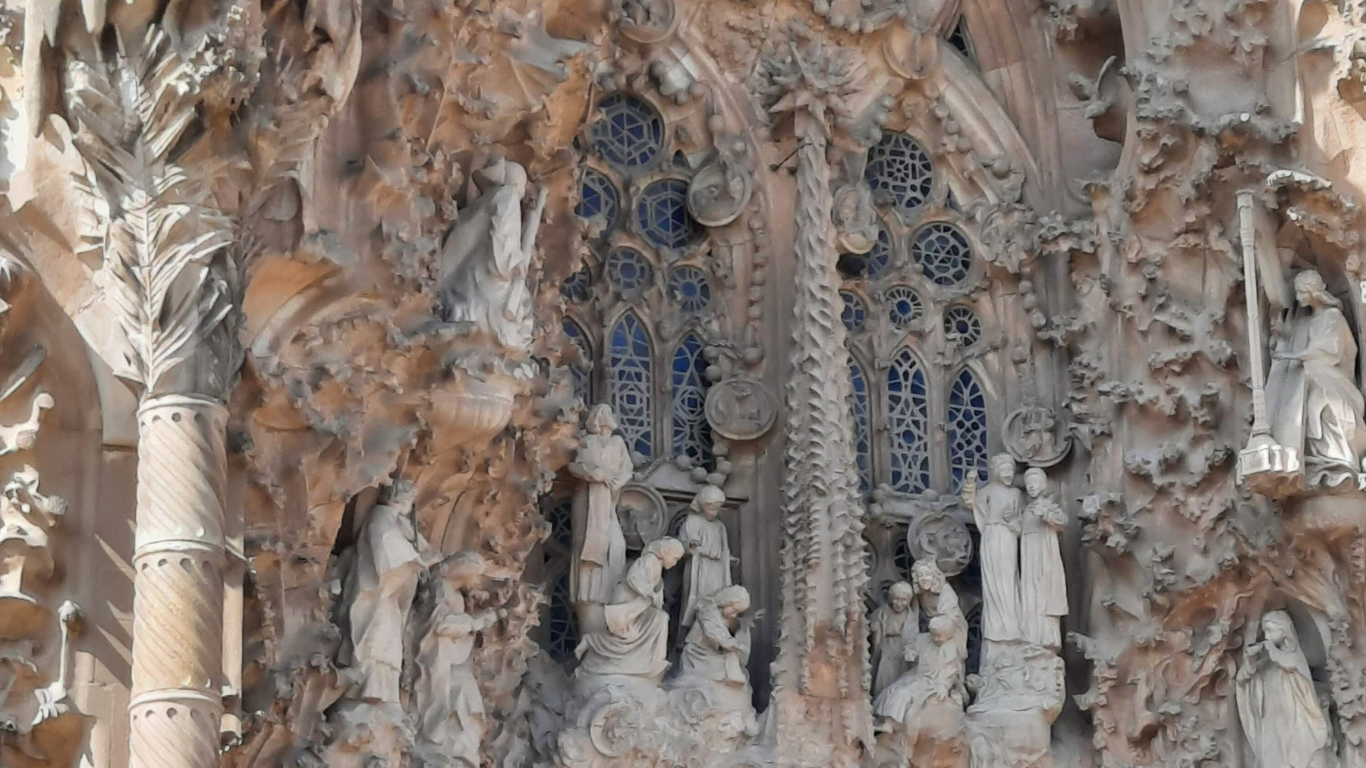
Barcelona impressed me more than anywhere before. Gaudí’s imagination felt untamed, almost defiant — architecture that refused gravity and convention. I remember one small pleasure most vividly: the best freshly pressed orange juice I have ever tasted, sharp and sweet and impossibly alive.
Food was everywhere — seductive, abundant — and yet I hovered at its edge. Pregnant, cautious, watching my husband eat paper-thin slices of raw jamón the city is famous for, while I settled for safer choices, feeling an irrational flicker of jealousy.
My body was heavy, my mood low. Pregnancy wrapped everything in a fog of tiredness and subtle sadness. I remember lying on the hotel bed after long days of walking and climbing, drained rather than exhilarated, listening to the city beyond the window.
Spain was offering wonder. I was not fully available to receive it. We were out of sync. Still, something important had changed. I no longer dismissed him. I sensed that the timing, not the feeling, was wrong — and that perhaps, one day, we would meet as equals.
Galicia
Five months passed. By then I was very pregnant, and I went to Santiago de Compostela for two weeks — to live with a Spanish family and finally learn the language properly. Friends spoke of the city with reverence: the pilgrimage, the devotion, the sense of arrival. Their stories stirred something in me.
Too pregnant to walk the Camino myself, I hoped that simply being there — breathing the air of a holy place — might still work its quiet magic.
My days unfolded gently. Long conversations with my host family over generous plates of paella, followed by my first bewildering encounter with pulpo — tender octopus, simply prepared, eaten without fuss — while we talked about Galicia’s economic decline and the steady leaving of its young people. Morning Spanish classes I loved for their rhythm. Afternoons in cafés, my belly heavy against the table, working on my doctorate while life moved calmly around me.
And then Spain finally claimed me — not through architecture or history, but through nature.
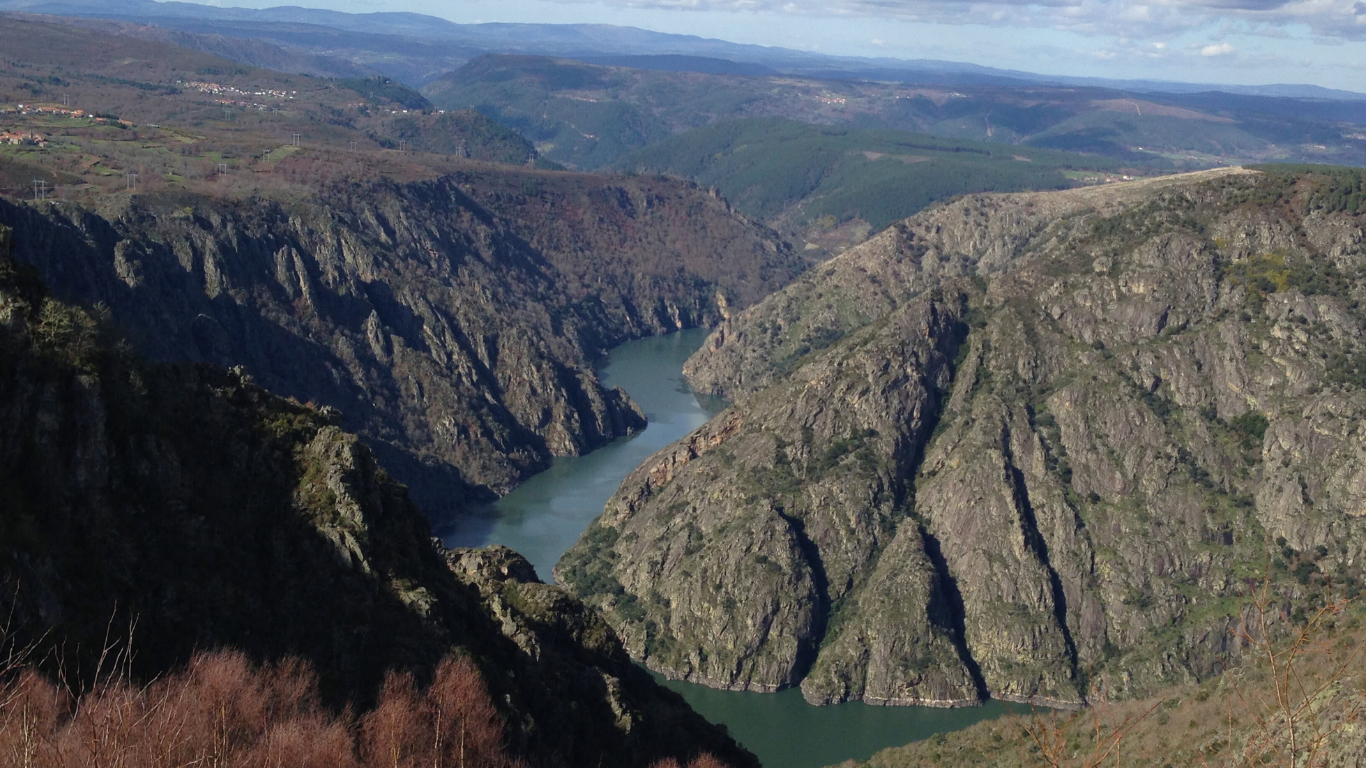
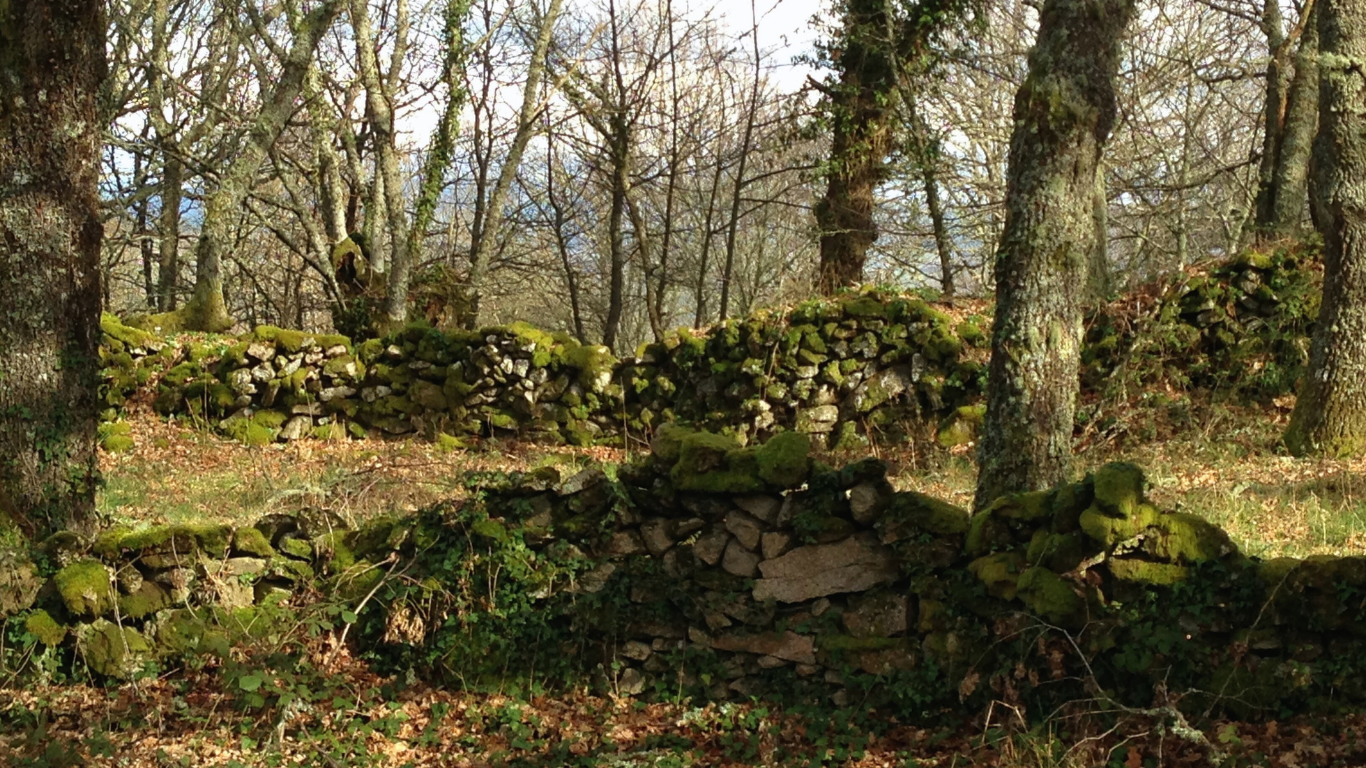
We drove through forests lush and dripping with green, moss thick as velvet clinging to the trees. Hidden monasteries appeared and disappeared like secrets. The landscape felt ancient, patient, unconcerned with being admired. It was foreplay from which there was no turning back — slow, wordless, inevitable.
Then came the coast.
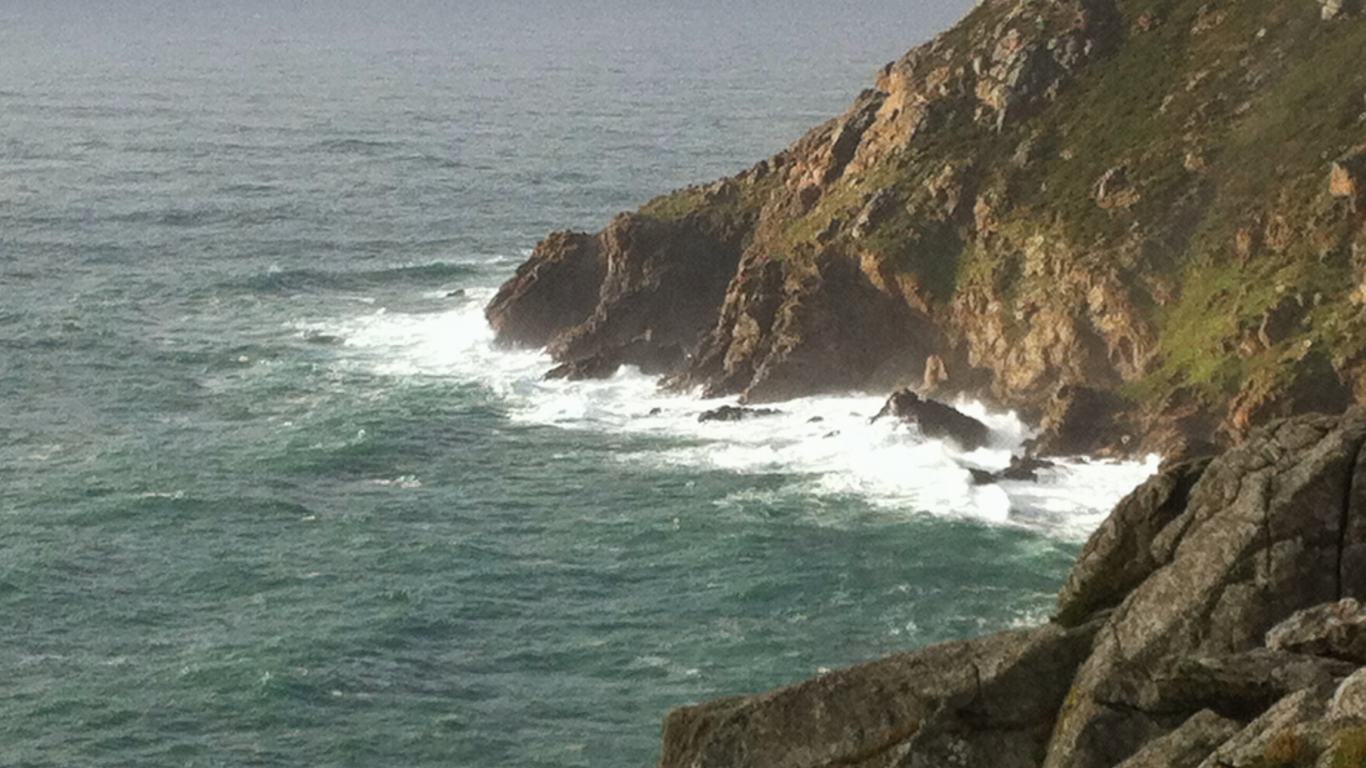
The road trip to the Costa da Morte was the culmination of our long courtship. The Atlantic there is raw and unapologetic, crashing against cliffs that have swallowed ships and stories for centuries. I stood open to it — heart, body, everything — so deeply present that even now, years later, the memory sends a shiver through me.
In that moment, Spain was no longer an idea. He was a force I trusted myself with completely.
I fell deeply in love.
And still, I had to leave.
Sevilla, Majorca, Tenerife
After Galicia, I craved more of what I had found there. I returned soon enough. A wedding in Portugal offered the perfect excuse to visit nearby Sevilla. This time, Spain met me alongside my husband and our four-month-old baby, Lev.
Perhaps it was the haze of new motherhood — the fatigue, the low-grade anxiety hovering over everything — but despite Sevilla’s remarkable architecture, Spain and I remained at a distance. We admired one another politely, without touching.
I wondered if cities were no longer where I should look for him. Perhaps Spain revealed himself best through landscapes. So, with my husband and our second-born toddler, Max, we traveled to Majorca. Some scenes stirred me — the light, the sea — but what lingered most was the weight of mass tourism pressing in everywhere. Perhaps it was the hotel. Perhaps the timing. The spell refused to form.
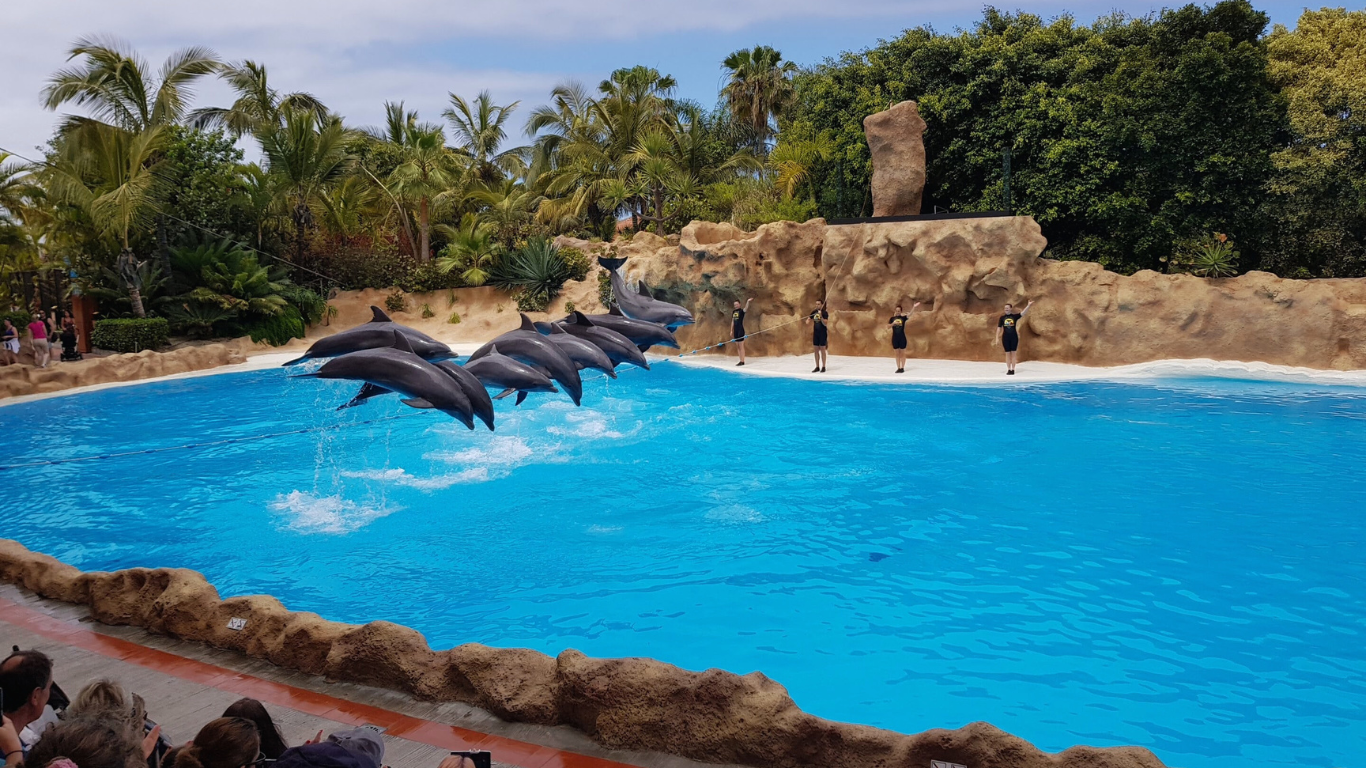
Still hopeful, I returned to where it had once begun: the Canary Islands. Tenerife this time. We traveled as a larger family now — my parents joining us. It was, by all measures, a good trip: water parks, the zoo, the volcano, shared laughter and easy days.
And yet, Spain did not move me the way he once had. He was there — familiar, generous — but no longer overwhelming.
Barcelona, Again
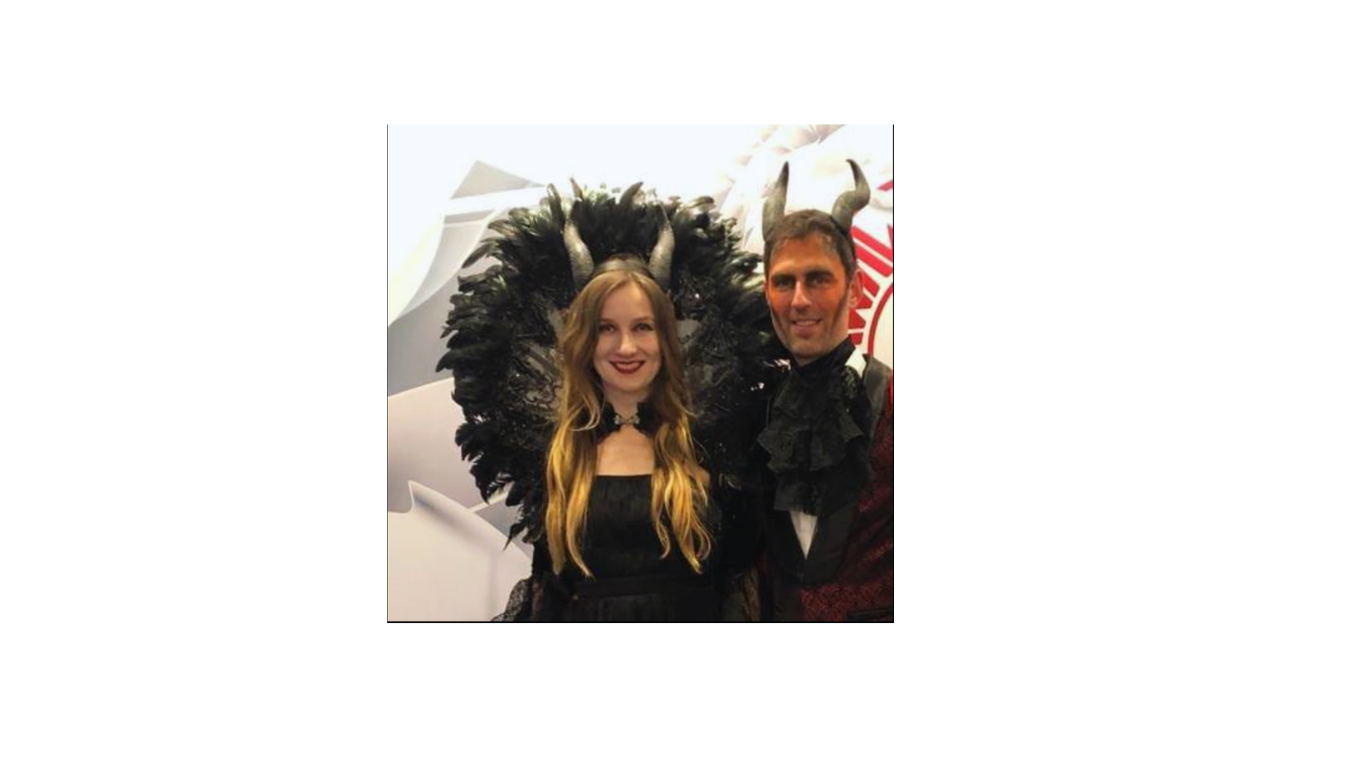
Some encounters are never planned, and this seems especially true with Barcelona. Life brought me back once more, this time through my husband’s corporate event — partners invited, costumes required. We walked through the city disguised, the atmosphere oddly theatrical, as if Barcelona had chosen to greet us wearing a mask.
My most recent meetings with Spain have felt like those of two lovers who keep crossing paths, bound more by affection than urgency. Instead of seeing this as a weakening of the flame, I choose to believe our love has matured.
It is no longer shaped by youthful projections. It has endured mass tourism, fractured attention, and the interruptions motherhood brings to travel. Spain no longer needs to dazzle me. He no longer needs to prove himself.
What remains is steadier — an understanding that some loves are not meant to consume you, but to stay with you, altered, patient, and real.
Planning a Trip to Spain?
If this post has inspired you to discover your own Spain—or return to a place you love—you can browse accommodations in Madrid, Barcelona, Seville, Valencia, the Camino de Santiago, and beyond.
Find flights and hotels in Spain here
Some links in this post are affiliate links. If you choose to book through them, I may earn a small commission at no additional cost to you. Thank you for supporting Serene & Green Living and helping me continue creating thoughtful content about mindful travel, sustainability, and conscious living.
It’s interesting to see the parallels between your relationship with Spain and mine, which also started out quite slowly, and has evolved over time.
Thanks Sonia, I am glad it made you to reflect on your relationship with Spain.
I can so relate to this – I also feel like I’ve fallen in love with Spain over time. Galicia is the place where I knew I was going to keep coming back – i still dream about the pulpo, wines, and the small villages and northern seaside.
Thanks Kim, yes, Galicia is a very special place.
I have only been to Spain once, to Madrid and Barcelona, and your post is making me want to go back for more! Hopefully one day soon and I can at least walk part of the Camino and see some of what you’ve seen.
Thanks for your comment Mel! I still dream of doing part of the Camino also, it is on my bucket list.
This is such a beautifully written story—Spain really feels like a character you grow with over time. I love how each place, from Fuerteventura to Málaga and Barcelona, reflects a different stage of your life and emotions. It’s so relatable how timing can shape our travel experiences just as much as the destination itself. Makes me want to go back to Spain and see it in a completely new way.
Thank you for sharing this and I am glad to hear that the post made you feel like that! Spain is an amazing country to explore.
As someone who has visited Spain many times over the years at different stages in my life, I loved reading this. I’m from a small town in Alaska, and to me, Spain was a dream. I first visited Barcelona and Ibiza when I graduated from university with my 4 best girlfriends. From there, after I moved to Germany, I visited many times, including a month-long road trip where I saw so much nature. Spain has a special pull and changes with us. Thank you for this love letter to Spain; it was beautiful.
Thank you Susanna for this beautiful comment and for sharing your relationship with Spain! I have still not been in Ibiza and your month-long road trip sounds amazing. I also dream to visit Alaska!
I feel if you have a love for a place it never leaves you, even if the place and your feelings change. I recently visited Barcelona and I really enjoyed the trip, although I do understand what you mean about the crowding etc.
It’s a shame. Although there’s more remote parts of Spain that I’d love to visit. I’m sure they’re very different, but it would be great to see other areas😊
Thank you for your comment and I am glad to hear you had a nice visit to Barcelona! I have been wondering how it is now to visit Barcelona after the protests and the tension. Yes, I also want to visit other areas of Spain that are less well-known. Galicia felt a bit like that, but I am sure there are many amazing places to be discovered.
😍 You enjoyed the trip with your family. That’s awesome.. I also want to visit Spain 🇪🇸
Thank you so much! Spain slowly grew on me over time and each region felt so different, with its own atmosphere, food, landscapes, and rhythm of life. I hope you get to visit one day too.