

Updated: 6 months ago
Increasing biodiversity in your garden does not require a complete redesign. In my experience, it is often about small, practical changes—small adjustments that, over time, begin to shift the balance—from what we plant to how much space we leave for life to unfold on its own.
Questions I found myself asking
Am I doing enough to protect the wildlife in my backyard? How could I further increase biodiversity in my garden?
As the weather turned sunny and we began spending more time outside, these were the questions that stayed with me last week.
Quick summary: how to support biodiversity in your garden
- Plant native and pollinator-friendly plants
- Leave some areas wild
- Provide shelter for wildlife (bird boxes, insect hotels)
- Use natural fertilizers and avoid chemicals
- Create water sources (ponds, bowls)
- Compost and reuse organic waste
- Work with your garden’s natural conditions
Starting with what was already there
I began, as I often do, by looking at what was already there.
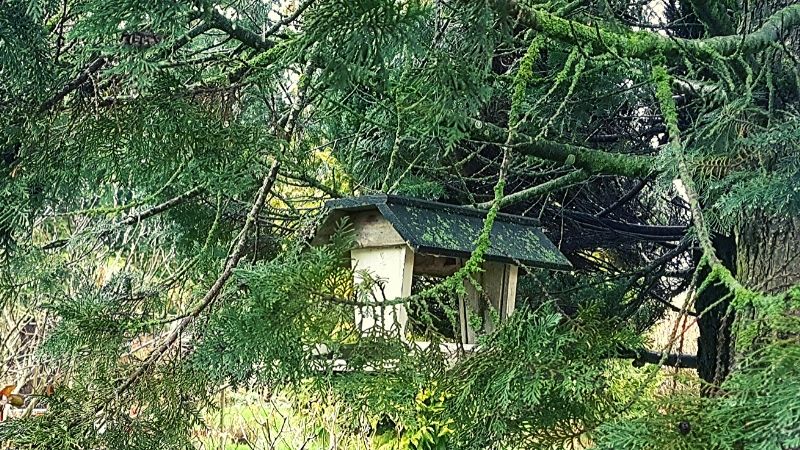
We inherited a large garden with many trees and a rich variety of plants. The previous owners had already installed small birdhouses. As I mentioned in my post on growing our own food, I planted an edible hedgerow that supports wildlife. Last year, I also added local annual flowers that are beneficial for bees. In my previous post on where to buy new eco-friendly clothing, we bought T-shirts from the WWF boutique, knowing that the benefit goes toward protecting wildlife. And as explained in my post on better recycling, I set up kitchen composting. Over time, I have come to take composting in the garden much more seriously than before.
This week, I wanted to go a little further.
When I saw my husband cutting ivy on our carport, I asked him to let it grow instead. Research suggests that, contrary to common belief, ivy does not damage walls, but it actually appears to be good for walls. And it is very important as food and habitat for wildlife.
It reminded me that supporting biodiversity is not always about adding more. Sometimes, it is simply about allowing nature to take its space.
Cut grass less and later
The UK National Trust recommends letting grass grow taller in at least some parts of the garden as a way to support biodiversity. I experimented with this a little last year, but this year I plan to go further and leave larger patches untouched.
In practice, this means not mowing around trees and in the corners of the garden, creating small natural refuges for wildlife.
The European Commission has put together 52 tips for biodiversity, a simple yet comprehensive guide. Among other things, they emphasize the importance of mowing later in the season. In previous years, I would already have started mowing by now. This year, however, I will wait one or two months longer.
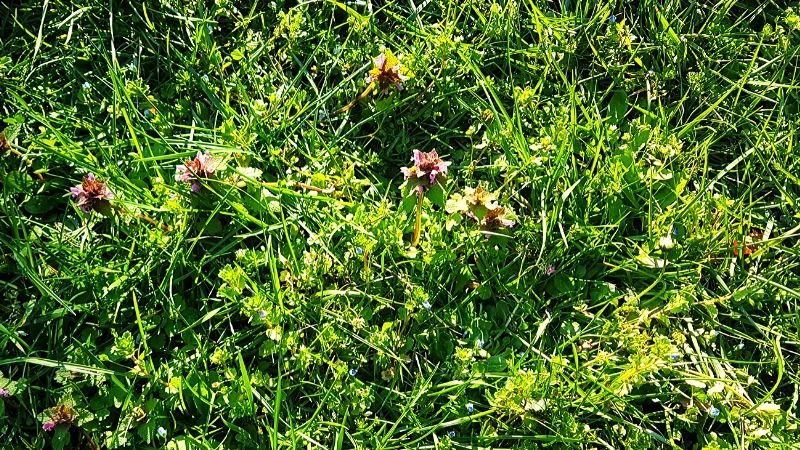
As a result, I can also enjoy the many spring flowers blooming in the lawn.
Put more nest boxes
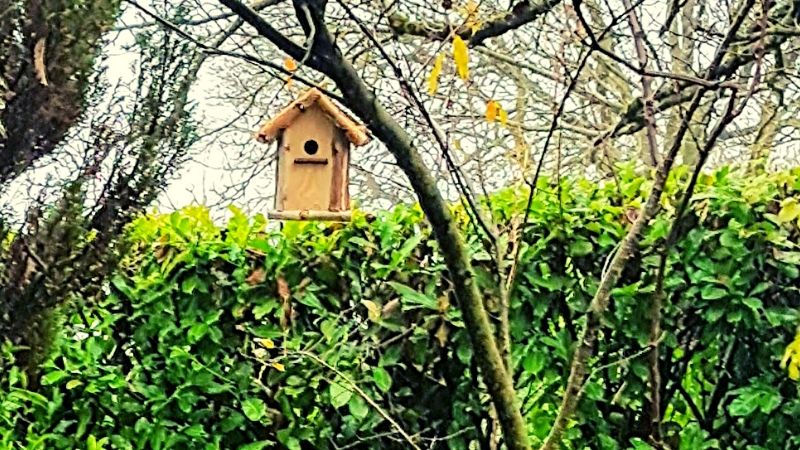
As I explain in my post on green parenting mistakes to avoid, my oldest son Lev developed a pretty severe eco-aversion after some months of my going-green activities. I was thus so happy when, in the supermarket, he went and picked up wooden nest box. I could not believe that Lev said that he would like to buy that and put into our garden! Bird boxes are also on the list of UK National Trust suggestions for how to conserve biodiversity in the garden. So now we have this cute nest box waiting for a new bird family:
How to conserve biodiversity: preserve a dead tree
I found this suggestion in the European Commission’s tips for biodiversity. I used to want to cut away not just all dead trees, but even all dead branches on the trees. In my view, they looked untidy and unattractive. Thus, leaving a dead tree was quite an effort for me. I actually left two: this little one here:
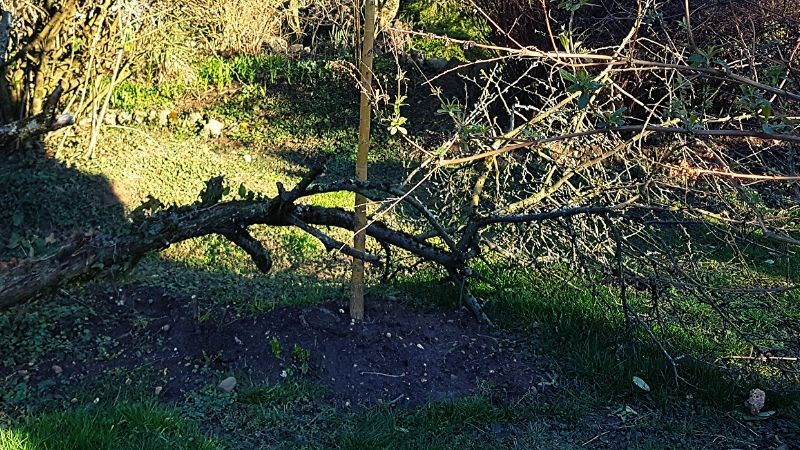
I also planted a Weeping Willow inside the dead tree.
And then also part of this birch tree:

I initially left the whole tree. Yet as it was so dried out, it broke during a storm, and one morning I found it all broken in my garden.
Embrace dandelions and other weeds
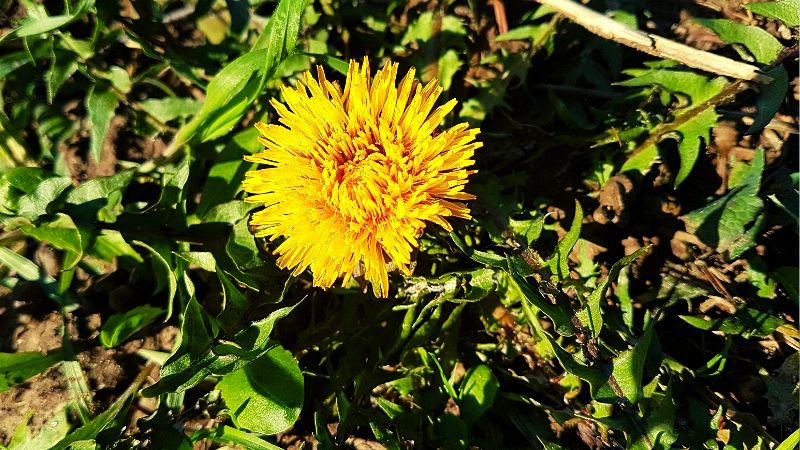
When I was very little, I thought dandelions were so pretty! Then I got into gardening, and my world was turned upside down – dandelions were weeds to be killed! Yet apparently they help bees and other pollinators. Therefore, I decided to let the dandelions bloom between my perennials. I only remove the seed heads so that they do not take over my flowerbed. In general, I let all weeds that have beautiful grow in my flowerbeds. I weed them out only after they have finished with their blooms. And as of this year, I have also a different policy for nettles: I let them grow as they please! Despite their bad reputation, according to BBC Gardener’s World, these plants are beneficial in many ways, including for butterflies and ladybirds.
Volunteer for local community wildlife protection
Amazing coincidence: last week, someone I know spread the word about a yearly earth-friendly activity in a neighbouring village. More concretely, volunteers spend one month helping frogs to get safely to their reproduction sites. There is a road nearby where previously hundreds of frogs got killed every year. The local authorities now put special nests beside certain patches of roads. In spring, volunteers go regularly throughout one month to take the frogs from the nests and safely bring them to ponds. This video (in French) tells about the action.
I signed up with my two older boys to go to help frogs during the next intervention, another way how to conserve biodiversity.
Plant more annual flowers that attract pollinators
Although I already took this step to certain degree over the last two years, I knew that I could do more in my garden. Over last few weeks I created this rock bed in my garden:
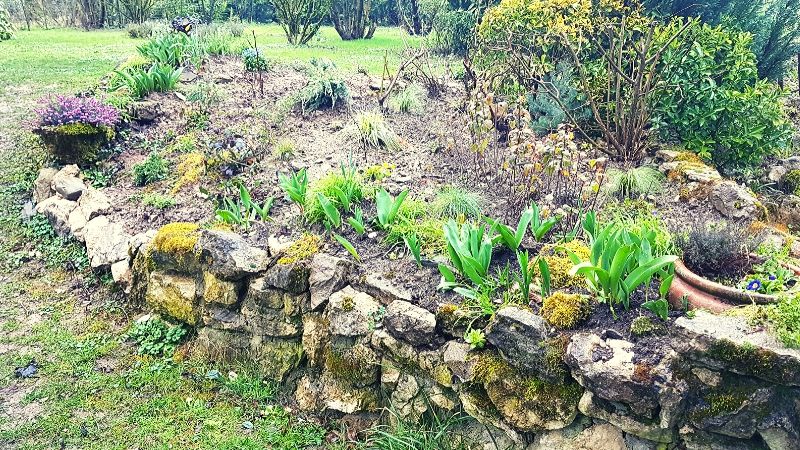
After having planted perennials, I decided to test and plant some annuals that are great for bees. I chose cornflower as it is suggested for helping bees in colder periods. I also planted flax and lavender into this blue-to-be rock bed.
Explore into setting up a pond
At first this idea did not appeal to me, as I was afraid for kids to fall into the pond. My little one is only two years old, and a pond seemed like just another danger spot to be vigilant about. However, both the UK National Trust and the European Commission suggest setting up a pond. Also, some friends who had done this were really happy and had attracted lizards and frogs to their gardens. When I looked into this in our ecological garden shop Botanic, I found a great basin that is not very deep that I could set up. This is what I will be up to in next few weeks, and I will keep you posted on how it goes!
What about you – how have you tried to conserve biodiversity in your garden and community?

Ilus aed!:-)
Aitäh Viive! Olen Sinult palju ôppinud 🙂