
Updated: 4 months ago
I still remember her eyes.
Dark, luminous, and impossibly expressive. Even now, more than thirty years later, they remain etched in my memory.
Her head was covered by a scarf. It was a portrait of an unknown woman accompanying an appeal for donations. I believe it described Albania as the poorest country in Europe and asked for clothes or financial support. I do not remember exactly where I saw it or how old I was. What I remember are those eyes.
This was my first encounter with Albania.
Looking back, this memory must date from the early or mid-1990s, when Albania was still emerging from decades of isolation and was indeed widely considered the poorest country in Europe. Today, that description no longer fits. The country has undergone a remarkable transformation over the past three decades.
But discovering a country can never be separated from the story we already carry about it.
Before we arrive, we have usually formed an image—sometimes from news reports, sometimes from school, sometimes from a passing photograph that stayed with us for reasons we do not fully understand.
Those images are often incomplete. Sometimes they are wrong.
Before I travelled to Turkmenistan, for example, all I really knew was that it was a former Soviet republic and that, as a child, I had liked a doll dressed in traditional Turkmen clothing.
Albanian Mafia
The next time Albania entered my consciousness, it was through stories about organized crime.
In the late 1990s and early 2000s, I often hitchhiked across Europe, frequently travelling with Estonian truck drivers. During those long hours on the road, I heard countless stories about the dangers they faced.
Again and again, the conversation would turn to the Albanian mafia.
According to the drivers, these criminal groups had become far more feared than the Italian mafia that had dominated popular imagination for decades. They spoke about stolen cars that seemed to vanish without a trace, smuggling routes that stretched across Europe, and networks that appeared both powerful and untouchable.
Whether all of these stories were true, exaggerated, or somewhere in between, I could not tell.
What I do remember is the fear with which they were told.
By then, Albania had acquired a second identity in my mind. The country of the woman with the dark eyes had become, in these stories at least, a country associated with danger and organized crime.
Albanians in the Aftermath of the Kosovo Conflict
In 2000, I volunteered with Roma children in North Macedonia and spent some time in Kosovo. The Kosovo conflict had ended only recently, and ethnic divisions were still very much present. Conversations were often shaped by identity, grievances, and generalizations about different groups.
During that trip, my unease about Albanians deepened.
One evening in Skopje, a man attacked me from behind. He grabbed me tightly and covered my mouth. Fortunately, there were people not far away. Whether he heard them or simply changed his mind, I do not know, but after a few terrifying moments he let me go.
What stayed with me afterward was not only the fear, but the question of who he was.
The man spoke in a language I could not understand. At the time, I was learning Romani and could understand a little Macedonian thanks to my Russian. Because I did not recognize a single word, I assumed he must have been Albanian, one of the major ethnic communities in the region.
Looking back, I realize I never actually knew.
But certainty was not required for the experience to shape my perception.
The stories I had heard from truck drivers suddenly felt more real. What had previously been second-hand fears became connected to a frightening personal experience. Whether the man was Albanian or not, my mind linked the two together.
It would take many years—and eventually visiting Albania itself—for me to begin separating a country from the stories I had accumulated about it.
The Unspoiled Mediterranean Gem
Many years passed, and Albania barely crossed my mind.
Then, perhaps seven years ago, I started hearing about it again.
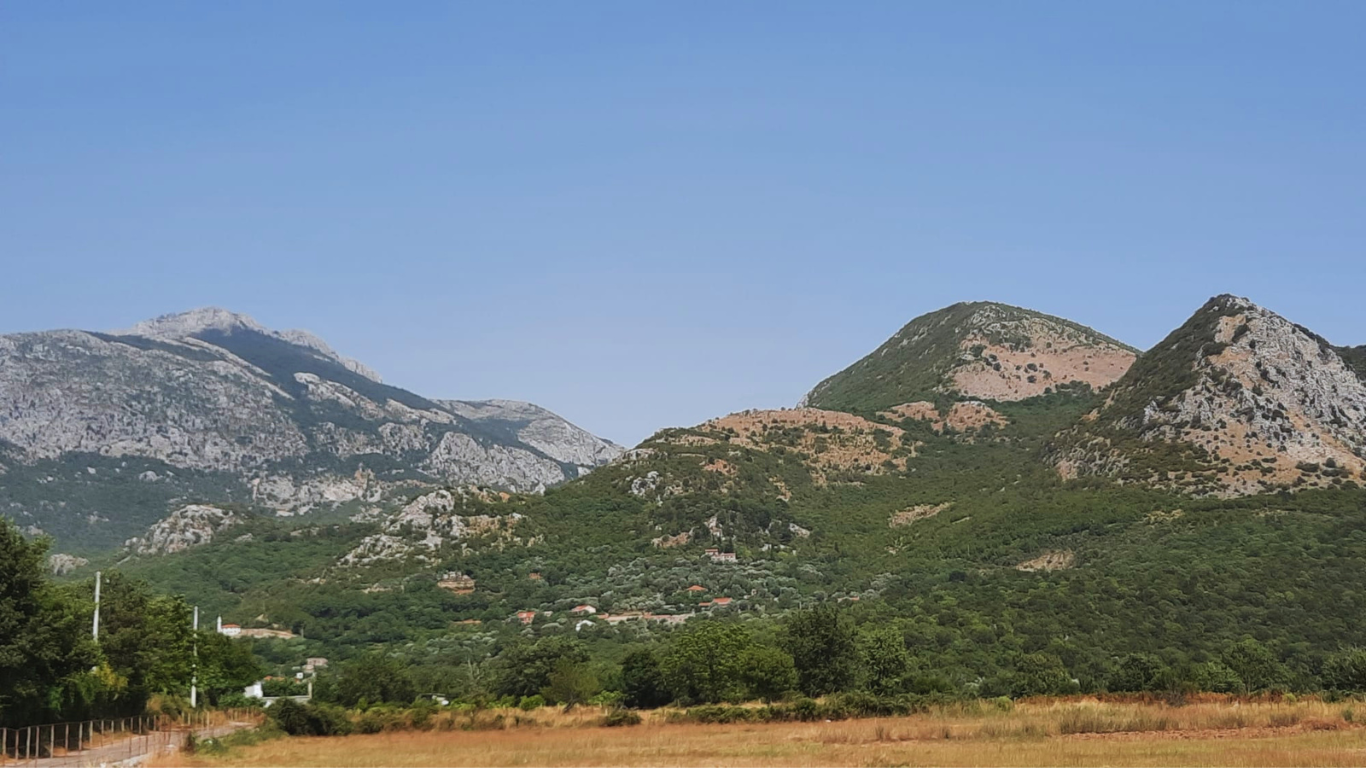
This time, it was not in connection with poverty or organized crime, but as a hidden Mediterranean gem. Several friends returned from Albania full of enthusiasm. They showed me photographs of turquoise water, dramatic mountains, and picturesque villages. They spoke of beautiful beaches where, even in summer, it was still possible to find stretches of coastline almost entirely to yourself. Albania was described as one of the last places on the Mediterranean that had not yet been overrun by mass tourism.
And then there was the price. Compared to many other Mediterranean destinations, holidays in Albania were still remarkably affordable.
When I asked about safety, my friends were quick to reassure me.
“Those stories are outdated,” they told me. “Albania feels perfectly safe.”
By then, the country in my imagination had transformed yet again. The Albania of the donation appeal and the Albania of the truck drivers’ stories were slowly being replaced by images of pristine beaches in a hidden corner of Europe.
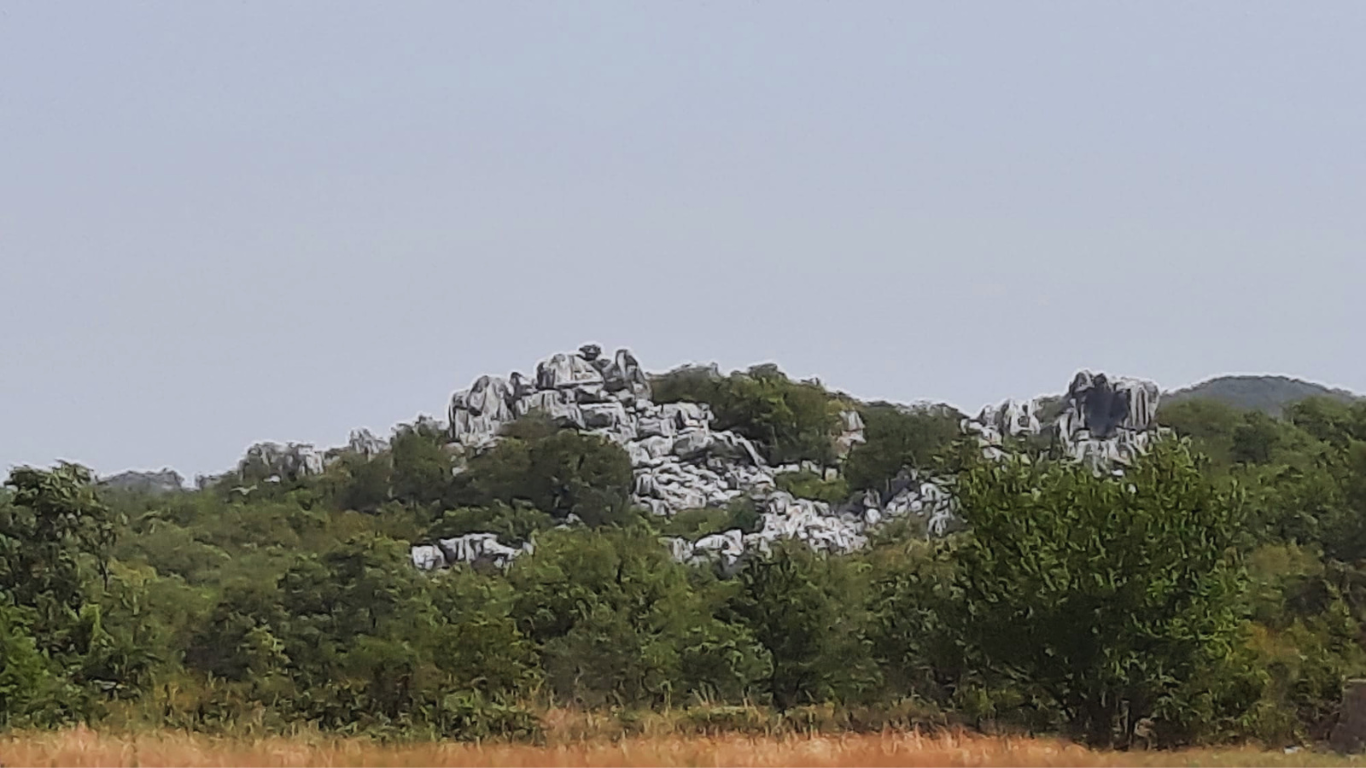
Durrës
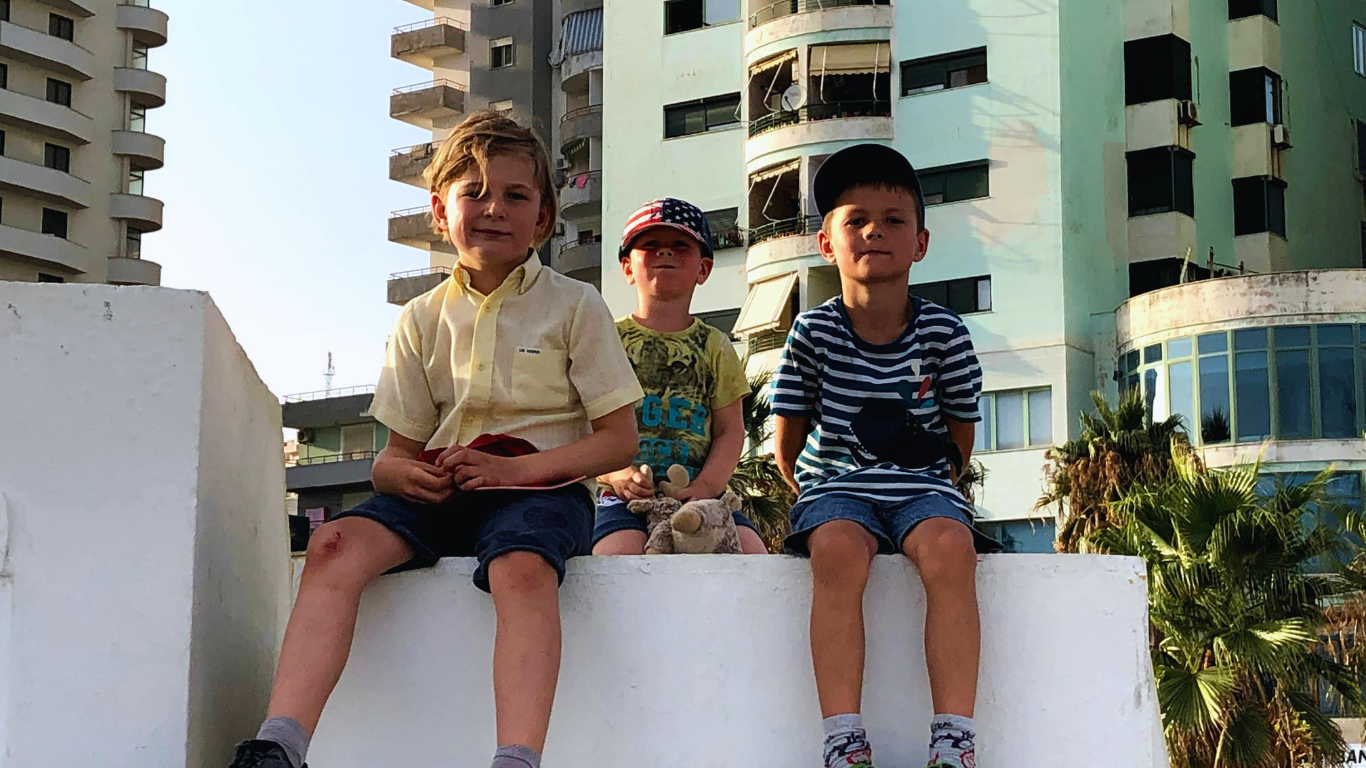
I finally visited Albania with my husband and our three sons in August 2021 as part of a Balkan road trip through Albania, Montenegro, and Bosnia and Herzegovina.
By then, I had already started thinking more consciously about travel and how to balance seeing the world with more sustainable choices that were still realistic for a family with young children. We flew to Tirana and rented a car there for the rest of the trip, a compromise that felt reasonable at the time.
Most of our stay was in Durrës.
It was not quite the Albania my friends had described. The pristine beaches and secluded coves they had raved about seemed to be further south. But our priorities were different. With three young boys, we were looking for infrastructure, convenience, and enough activities to make the holiday enjoyable for everyone.
Durrës was touristy, but not overcrowded, and it was exactly what our family needed at that stage of life. The beaches were child-friendly, and getting around was easy.
We also explored the town itself. In some places, the architecture reminded me of the Soviet-era buildings of my childhood. Certain structures seemed to carry traces of a past grandeur that had faded with time.
One of the highlights was visiting the Roman amphitheatre. What struck me most was how few people were there. We were almost the only visitors, a very different experience from visiting similar sites in Italy, where history often comes with crowds.
What I remember most from Durrës is not a particular monument or beach. It is sitting with my family over breakfast, eating warm byrek and drinking a kefir-like yogurt drink popular with locals. Travel often makes us chase extraordinary experiences, but years later it is frequently these small moments of ordinary life that remain.
Shkodër
On our way to Montenegro, we stopped in Shkodër.
What stood out most was the Rozafa Castle, whose ruins rise above the city and offer sweeping views of the surrounding landscape. But the place that left the strongest impression on me was the Site of Witness and Memory, a museum dedicated to the victims of Albania’s communist regime.
For my husband and me, it was a fascinating opportunity to learn more about a chapter of Albanian history that was largely unfamiliar to us. What surprised me was that the museum also captured the attention of our children. Housed in a former prison, it gave them their first glimpse inside prison cells and helped make history feel tangible in a way that books rarely can.
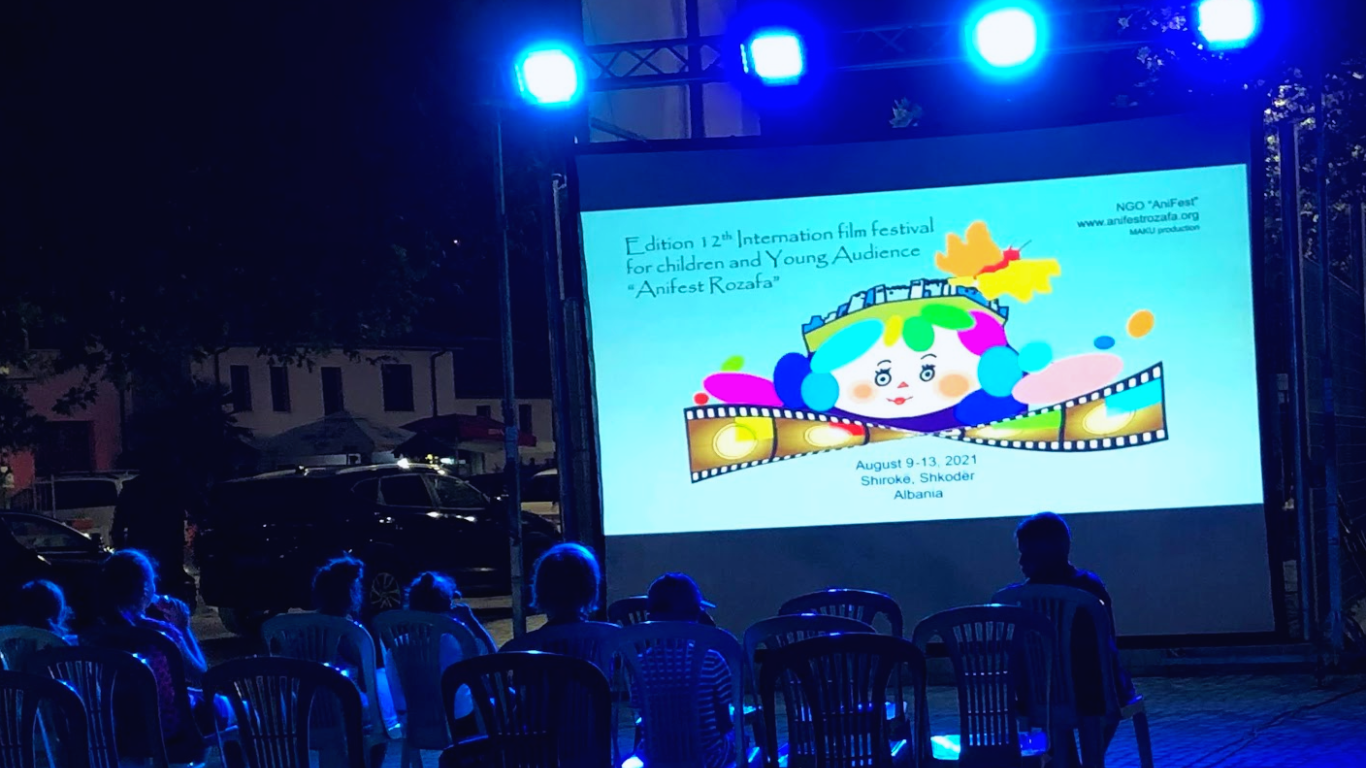
We were also fortunate to visit during the International Film Festival for Children and Young Audiences. In the evenings, the city came alive with outdoor screenings, and our boys were delighted to watch films under the open sky.
Looking back, Shkodër felt like a place where different layers of Albania met: history and contemporary life, difficult memories and celebration, local traditions and international visitors.
Albanian People
More than anything else, it was the people who challenged my assumptions about Albania.
For years, I had carried a vague sense that Albania might not be entirely safe. The stories I had heard over the years had left their mark. Yet the Albania I encountered was very different.
Again and again, we had genuine interactions with people. There was a warmth and sincerity that felt increasingly rare in a world where so many encounters have become transactional.
I never had the impression that people were being friendly because they wanted something from us or because customer service demanded it. They seemed genuinely interested in us as people.
The feeling reminded me of places such as Turkmenistan and Kashmir, where even brief encounters can somehow touch your soul. A short conversation with a taxi driver, a few words exchanged with a shopkeeper, a smile from a stranger—small moments that stayed with me long after the trip was over.
Looking back, I sometimes wonder whether Albania’s long period of isolation may have played a role. This is only a personal impression, but I sensed a curiosity and openness toward visitors that felt familiar.
I remember something similar from Estonia in the early 1990s. Foreigners were still relatively rare, and meeting someone from another country felt special. There was a curiosity and excitement in those encounters that I occasionally sensed again in Albania.
Whatever the reason, it was the people, more than the beaches or historical sites, that remain my strongest memory of the country.
Final Thoughts
Although Albania spent much of the twentieth century isolated from the outside world, the country I encountered felt remarkably open.
Its ties to neighboring Greece and Italy were visible everywhere—not only in the food, but also in conversations, culture, and daily life. To this day, some of the best Greek salads I have ever eaten were in Albania.
And then there was one final surprise.
During our stay in Durrës, I remember sitting in the hotel lobby and watching an unusual scene unfold. Guests were arguing at reception, wanting to know why they had to leave earlier than planned. Staff hurried through the lobby, answering questions and making phone calls. The whole hotel suddenly felt like a beehive.
It turned out that following the Taliban takeover of Afghanistan in August 2021, Albania had agreed to temporarily host Afghan evacuees at the request of the United States. Hotels and resorts along the coast, including ours, were being repurposed to accommodate families awaiting resettlement.
Fortunately, our departure date already coincided with the hotel’s closure, so the change did not affect us. But the moment stayed with me.
As a humanitarian worker, I had spent years working with displaced people and refugees. Standing there in the lobby, I found myself thinking about how dramatically my image of Albania had changed over the years.
The poorest country in Europe.
The country of the Albanian mafia.
The hidden Mediterranean gem.
And now a country opening its doors to people fleeing war and persecution.
Sometimes, those who once needed help become the ones offering it.
Planning a Trip to Albania?
If this post has inspired you to discover Albania for yourself, you can browse accommodations in Tirana, Berat, Gjirokastër, the Albanian Riviera, and beyond.
Find flights and hotels in Albania here
Some links in this post are affiliate links. If you choose to book through them, I may earn a small commission at no additional cost to you. Thank you for supporting Serene & Green Living and helping me continue creating thoughtful content about mindful travel, sustainability, and conscious living.
Illuminating post. Sorry you were attacked, grateful you are okay.
Thank you Mary Ann for your kind words. It was a frightening experience at the time, and I am grateful too that it ended without anything worse happening. Looking back, one of the lessons for me was how easily a single experience can shape our perceptions of an entire place or group of people. Part of what made visiting Albania so meaningful years later was discovering a reality that was far more nuanced than the stories I had carried with me.
I visited Albania for the first time in 2024. I chose Exodus Travels for our 10-day trek. Our guide was Albanian. It was an amazing experience visiting eight different cities and towns, I urge people to visit. Great article, I appreciated your reflections have morphed over the decades about Albania.
Thank you for sharing your experience! Your trip sounds wonderful, and I can imagine how much deeper a trip becomes when exploring a country with a local guide. I am glad to hear Albania left such a positive impression on you as well.
I enjoyed reading about the transformation of your perspective of Albania. We’ve had Albania on our list of places to visit for years, yet haven’t scheduled it yet. This is making me want to prioritize our trip there even more.
Thank you Sonia! It is a beautiful place, with great scenery and remarkable history, and the warmth of the people was extraordinary. I hope you do get the chance to visit, and if you do, I would love to hear what surprised you most about it.
It’s rare to find a description of Europe being explored by a European, that I can feel, and thus understand both better. This somehow tells me a lot about Albania, albeit through your eyes, ecen though it doesn’t actually say that much about Albania. Lovely blog.
Thank you so much for this thoughtful comment. What you describe is actually very close to what I hoped the post would do. It is certainly not a comprehensive portrait of Albania, but rather a reflection on the country through the lens of my own experiences, assumptions, and encounters over the years. I am especially touched by your observation about a European writing about Europe, as I had not thought of it that way before. Thank you for reading so carefully and for taking the time to share your thoughts.
Albania is not really on our travel wish list yet. So I would not visit with any idea of what to expect. I might think about it as a Mediterranean gem. But the history will add more to a visit. Your perspectives were very interesting.
Thank you Leigh! Albania is for sure a Mediterranean gem. There is plenty of beautiful coastline and Mediterranean charm, but I found its history and people just as fascinating. If you do visit one day, I hope you enjoy discovering your own version of Albania—and perhaps finding a few surprises along the way.
Such a fascinating read!!! Thank you! I’ve been wanting to visit Albania but not sure what to expect, yet I loved reading your words about it
Thank you so much! If you do decide to visit, I hope it surprises you in many ways like it happened to me and I would love to hear about your experience afterwards.
Albania is not yet on my travel radar and now I feel it should. And that full-circle moment at the end, from receiving aid to welcoming Afghan evacuees, is quietly powerful.
Thank you! I am glad that part resonated with you. It struck me as well when I learned about it. There was something powerful about seeing a country once associated with hardship and isolation become a place of refuge for others. And if Albania has moved a little higher on your travel radar, then perhaps the post has done its job.
What a thoughtful reflection. I think many of us arrive in a country carrying stories, headlines, and assumptions that were formed years earlier. Travel has a way of challenging those ideas and replacing them with real experiences and human connections. I enjoyed reading how your perception of Albania changed over time. It’s a great reminder to keep an open mind when exploring a new destination.
Thank you Agnes for your thoughtful comment! One of the things I love most about travel is precisely that opportunity to replace assumptions with real people and lived experiences; you put it so well into words! I’m glad the post resonated with you, and thank you for taking the time to share your thoughts.
i love your prose nika, your words are so evocative!
Thank you so much Shafina! That means a lot to me. Writing these reflections is my way of making sense of the places, people, and moments that stay with me long after a journey ends, so I’m delighted that the words resonated with you.